Serving the Lowcountry and Coastal Empire of Georgia and South Carolina.
Wednesday, July 1, 2026
Never hit the figurative snooze button when it comes to prioritizing sleep. Proper sleep remains an essential part of our health and wellness.
The U.S. Centers for Disease Control and Prevention (CDC) says adults should get seven to nine hours of sleep daily. Benefits include getting sick less often, maintaining a healthy weight, reducing stress and regulating mood, improving heart health and metabolism, lowering the risk of chronic health conditions, and more.
However, an underlying sleep disorder can disrupt the quality and amount of sleep you’re getting. How do you pinpoint a sleep issue? A sleep study serves as a definitive test for primary care providers to reveal what is interfering with a patient’s rest.
With that in mind, SouthCoast Health has gathered three of the top reasons patients should consider a sleep study.
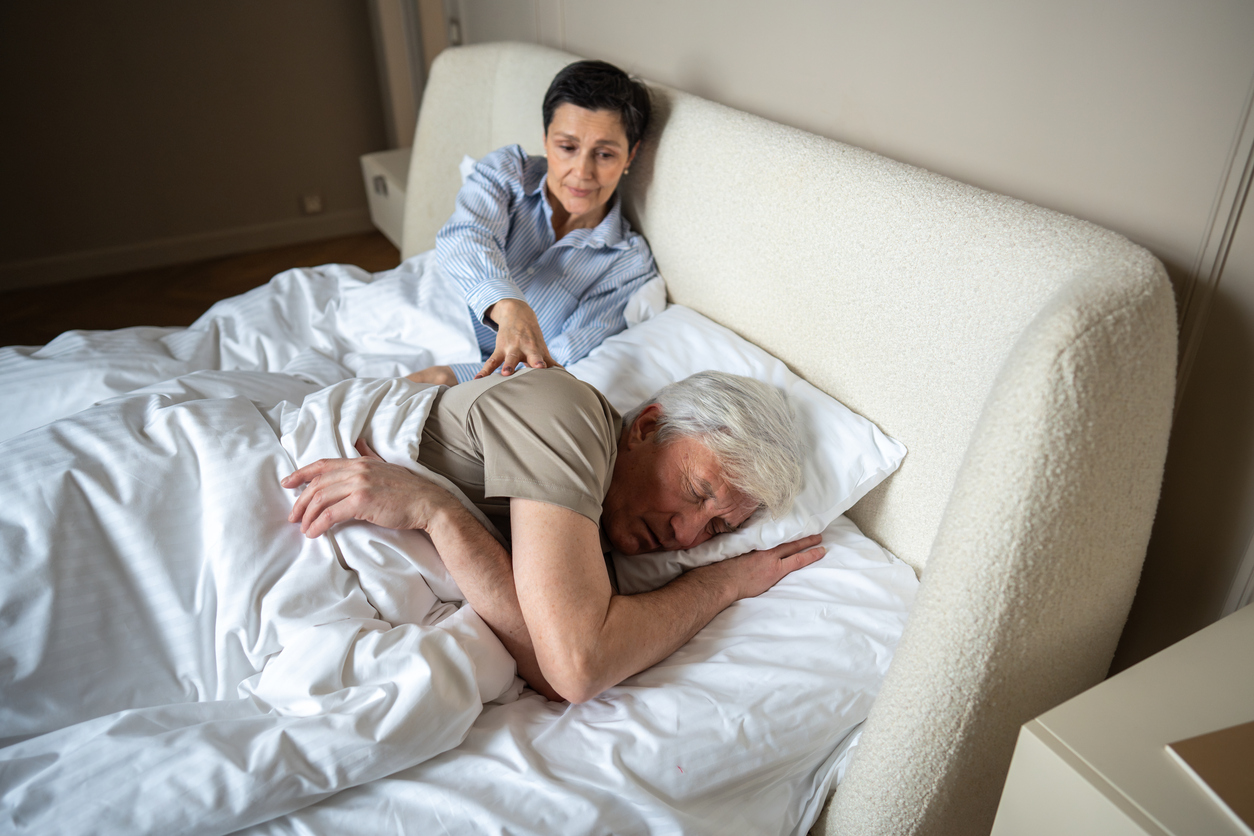
If you awaken your partner with loud snoring or they notice choking, gasping, and pauses in breathing while you sleep, it is a cause for concern. Each of these is a symptom of obstructive sleep apnea. The National Heart, Lung, and Blood Institute explains sleep apnea occurs when your upper airway becomes blocked repeatedly during sleep. It can reduce or totally stop airflow. Risk factors include obesity, large tonsils, or hormonal shifts such as those during menopause. This common condition can prevent your body from getting enough oxygen. Sleep apnea can lead to severe health risks such as heart disease, stroke, and hypertension. A sleep study can provide a clear diagnosis, allowing your provider to guide you toward proper treatment.
After waking from seven to eight hours of sleep, are you still feeling physically drained and exhausted? Does a cloud of heavy brain fog roll in or are you struggling with intense drowsiness in the middle of work or driving? This is a sign your sleep is lacking restorative power and that you may not be experiencing the deepest, most rejuvenating stages of sleep. Clinically known as excessive daytime sleepiness (EDS), many experts say it can be a red flag indicator of serious cardiovascular, metabolic, and neurological diseases. By measuring brain waves and sleep cycles, a sleep study can help pinpoint the reason your sleep is no longer restorative.
A study measures brain waves and sleep cycles to find out why your sleep isn't restorative.
Do you find yourself experiencing restless legs syndrome, which is the urge to move your legs in the evening? Are you kicking your legs or acting out vivid dreams while sleeping? These symptoms can be related to conditions such as periodic limb movement disorder or REM sleep behavior disorder. Strange nighttime movements and behaviors can severely impact your quality of rest, but a professional sleep study can uncover the root cause.
Are you experiencing a disruption in sleep? Your SouthCoast Health primary care provider can evaluate your concerns, discuss whether a sleep study may be appropriate, and help coordinate a referral for testing if needed. To discuss any concerns you may have, schedule an appointment online.
Whether you are looking for a primary care doctor or a pediatrician, or another medical specialist, SouthCoast Health has you covered with its wide range of world-class healthcare services, available throughout the Coastal Empire and Lowcountry. SouthCoast Health has 120 physicians and medical professionals in 16 locations in Savannah, Richmond Hill, Pooler, Rincon, Baxley, Hilton Head, Hinesville, and Statesboro. SouthCoast Health offers comprehensive medical services including: Family Medicine, Internal Medicine, Pediatrics, Allergy and Asthma, Cardiology, Endocrinology, Eye Care, Imaging, Infectious Diseases, Nephrology, Neurology, Physical Therapy, Podiatry, Surgery, Clinical Trial Research Studies, Diabetic Self-Management Training Sessions, Dietetic Counseling, Laboratory Services, Massage Therapy, Optical Shop, Pharmacy, and Urgent Care.

SouthCoast Health has 120 physicians and medical professionals in 18 locations in Savannah, Richmond Hill, Pooler, Rincon, Baxley, Hinesville, and Statesboro.