Serving the Lowcountry and Coastal Empire of Georgia and South Carolina.
Friday, July 31, 2026
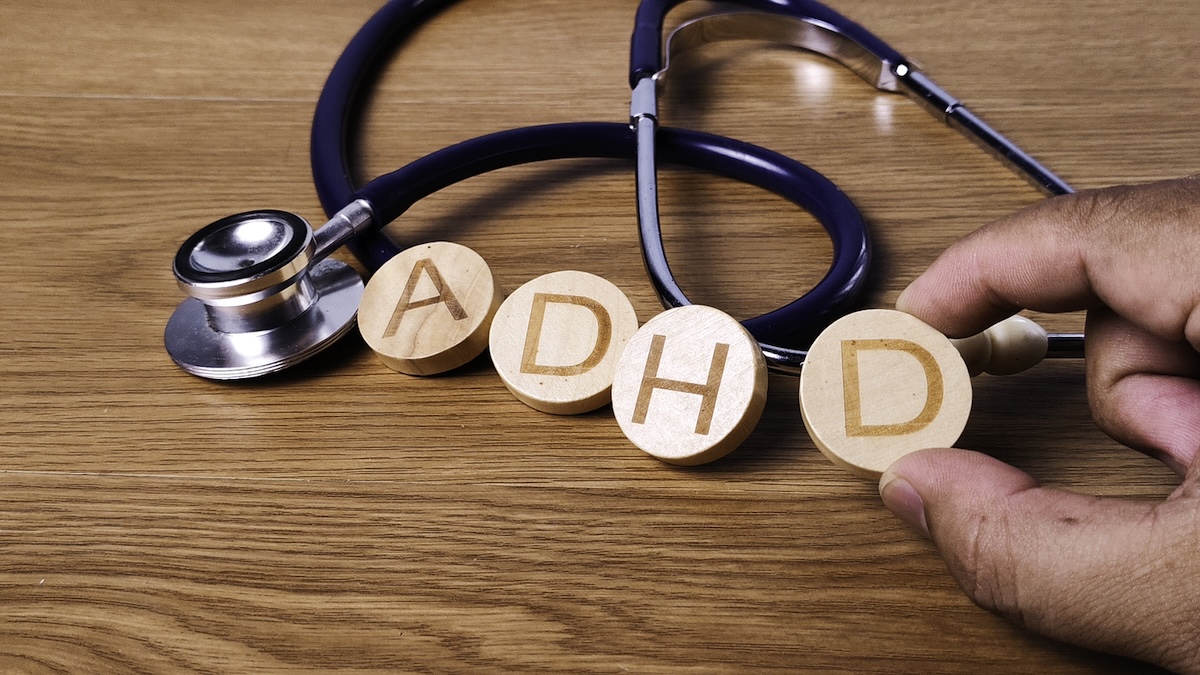
Many people still use the term "ADD," while others say "ADHD." So, what's the difference?
For years, Attention Deficit Disorder (ADD) described people who had difficulty paying attention without significant hyperactivity. Today, however, ADD is no longer an official medical diagnosis. Healthcare providers now use one diagnosis, Attention-Deficit/Hyperactivity Disorder (ADHD).
ADHD is a neurodevelopmental disorder that affects how the brain regulates attention, impulse control, activity level, and other executive functioning skills such as organization and time management. Rather than a lack of attention, people with ADHD often have difficulty regulating their attention. They may struggle to focus on routine tasks while becoming intensely focused, or "hyperfocused," on activities they enjoy.
The experts at SouthCoast Health created this guide to help parents and adults understand today's ADHD terminology, recognize the signs and symptoms, and know when it's time to seek an evaluation.
Many behaviors associated with ADHD such as being energetic, forgetful, or easily distracted are a normal part of childhood. The difference is that ADHD symptoms are persistent, occur in more than one setting (such as home and school), and interfere with daily functioning.
Parents or teachers may notice that a child:
Teachers often recognize these patterns first because they observe children in a structured classroom environment. While they cannot diagnose ADHD, their observations can help parents determine whether it's time to talk with their child's pediatrician.
Although ADHD begins in childhood, many people continue to experience symptoms into adulthood and some aren't diagnosed until later in life.
Adults with ADHD may experience:
If these symptoms begin affecting work, relationships, or daily responsibilities, it's worth discussing them with your primary care provider.
Whether you're concerned about your child or recognizing these symptoms in yourself, SouthCoast Health is here to help.
Our pediatricians evaluate children with attention and behavioral concerns, while our adult primary care providers assess ADHD symptoms in adults. Your provider can discuss your symptoms, perform an evaluation, rule out other possible causes, recommend treatment options, and coordinate care with behavioral health specialists when appropriate.
Early diagnosis and treatment can help children and adults better manage ADHD and thrive at school, work, and home. If you have concerns about ADHD, schedule an appointment online with a SouthCoast Health provider.
Whether you are looking for a primary care doctor or a pediatrician, or another medical specialist, SouthCoast Health has you covered with its wide range of world-class healthcare services, available throughout the Coastal Empire and Lowcountry. SouthCoast Health has 120 physicians and medical professionals in 16 locations in Savannah, Richmond Hill, Pooler, Rincon, Baxley, Hilton Head, Hinesville, and Statesboro. SouthCoast Health offers comprehensive medical services including: Family Medicine, Internal Medicine, Pediatrics, Allergy and Asthma, Cardiology, Endocrinology, Eye Care, Imaging, Infectious Diseases, Nephrology, Neurology, Physical Therapy, Podiatry, Surgery, Clinical Trial Research Studies, Diabetic Self-Management Training Sessions, Dietetic Counseling, Laboratory Services, Massage Therapy, Optical Shop, Pharmacy, and Urgent Care.

SouthCoast Health has 120 physicians and medical professionals in 18 locations in Savannah, Richmond Hill, Pooler, Rincon, Baxley, Hinesville, and Statesboro.